
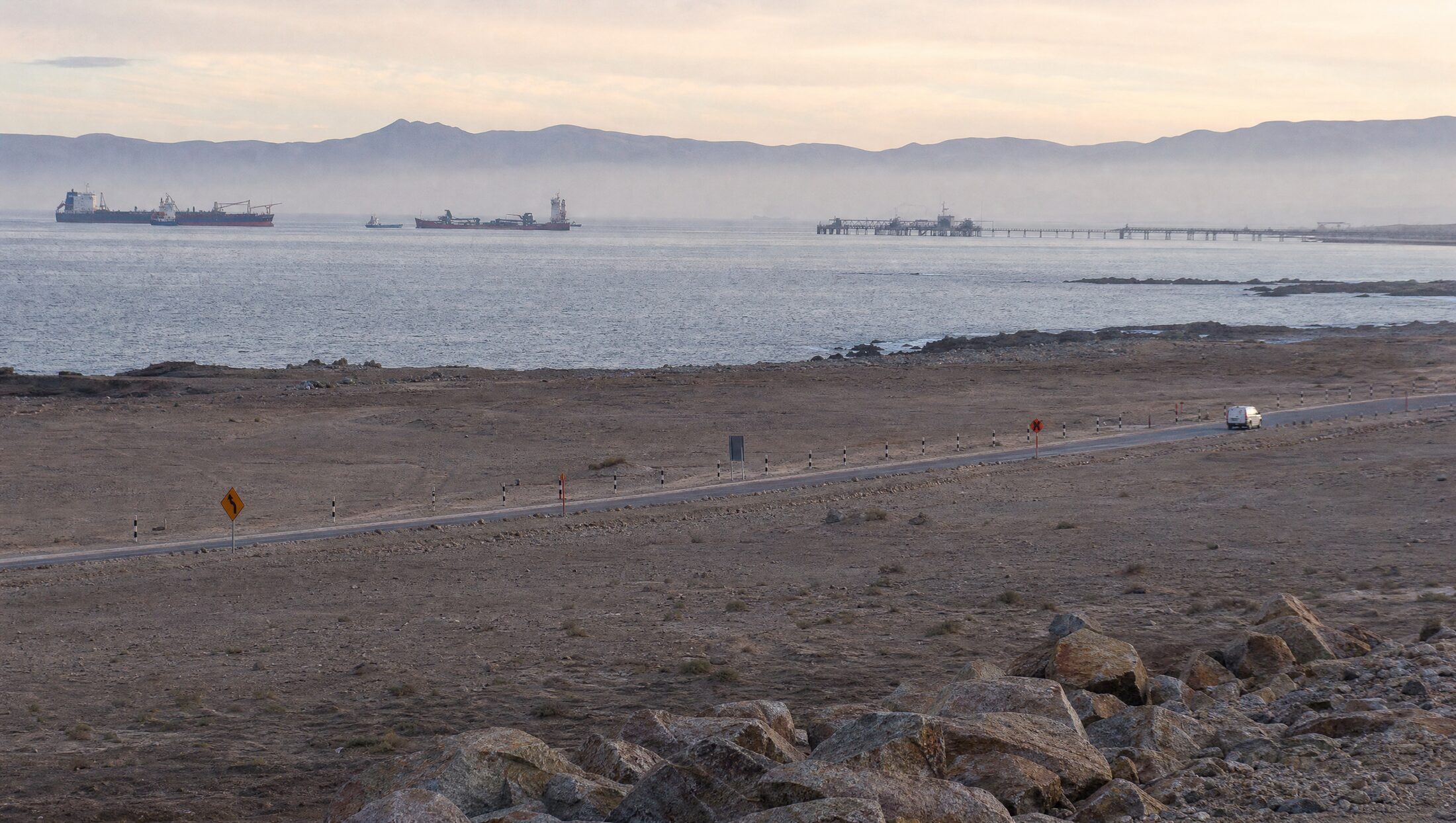
Some places are not valued only by meters of coastline, but by centuries of history. Bahía Inglesa is one of them: a point where the Atacama Desert, the sea and the epic story of Chilean mining meet.
The name and the sea.
According to the tradition recorded by historian Carlos María Sayago in his Historia de Copiapó, the bay owes its name to the English privateer Edward Davis, who around 1687 anchored his ship Bachelor here for several days; the place became known as "Puerto del Inglés" and later Bahía Inglesa. Another version attributes the name to the English immigrants who arrived in the 19th century, drawn by the desert’s silver and gold.
The cradle of Chilean mining.
In 1832, the discovery of the Chañarcillo silver deposit —the third-largest silver deposit in the Americas— triggered the "Silver Rush". To ship that wealth, the port of Caldera emerged around 1850 under the presidency of Manuel Bulnes. From here, in 1851, Chile’s first railway departed: the Caldera-Copiapó line led by engineer William Wheelwright.
South America’s first mining school.
On April 11, 1857, under President Manuel Montt and at the initiative of the Copiapó Mining Board, the Copiapó School of Mines was founded: the first institution in Chile and South America dedicated entirely to training engineers and technicians in mining, metallurgy and geology, inspired by the teachings of Ignacio Domeyko, the "father of Chilean mining". From it, in 1981, the current University of Atacama would be born.
From coastal heritage to executive base.
And the same mining industry that gave rise to this coast is defining it again: this property is now a private executive base for the professionals who move Atacama mining forward — residences, offices and shared areas under a single contract. Where Chañarcillo silver was once shipped and the continent’s first mining engineers were trained, the people leading the new mining industry now have their base.